
 When it comes to baby sleep, there’s a window of time between two and four months that is particularly challenging for parents. You’re dealing with newborn sleep, which means your baby’s circadian rhythm is developing. Read more
Author: Joan Becker Friedman
Stuck on Short Naps? Help Your Baby Sleep Longer!
 Short naps can be a huge source of frustration for many parents. You’re exhausted and desperately need a break, but it’s just not happening. Let’s figure out why! Read more
Establish a Morning Routine for Better Baby & Toddler Sleep
 Most parents know that an early and consistent bedtime, along with a bedtime routine, are the essential ingredients for a good night’s sleep. Did you know that your morning routine is just as important in the development of your baby or toddler’s sleep/wake cycle? Read more
Napping at Daycare: Preparing Your Little One
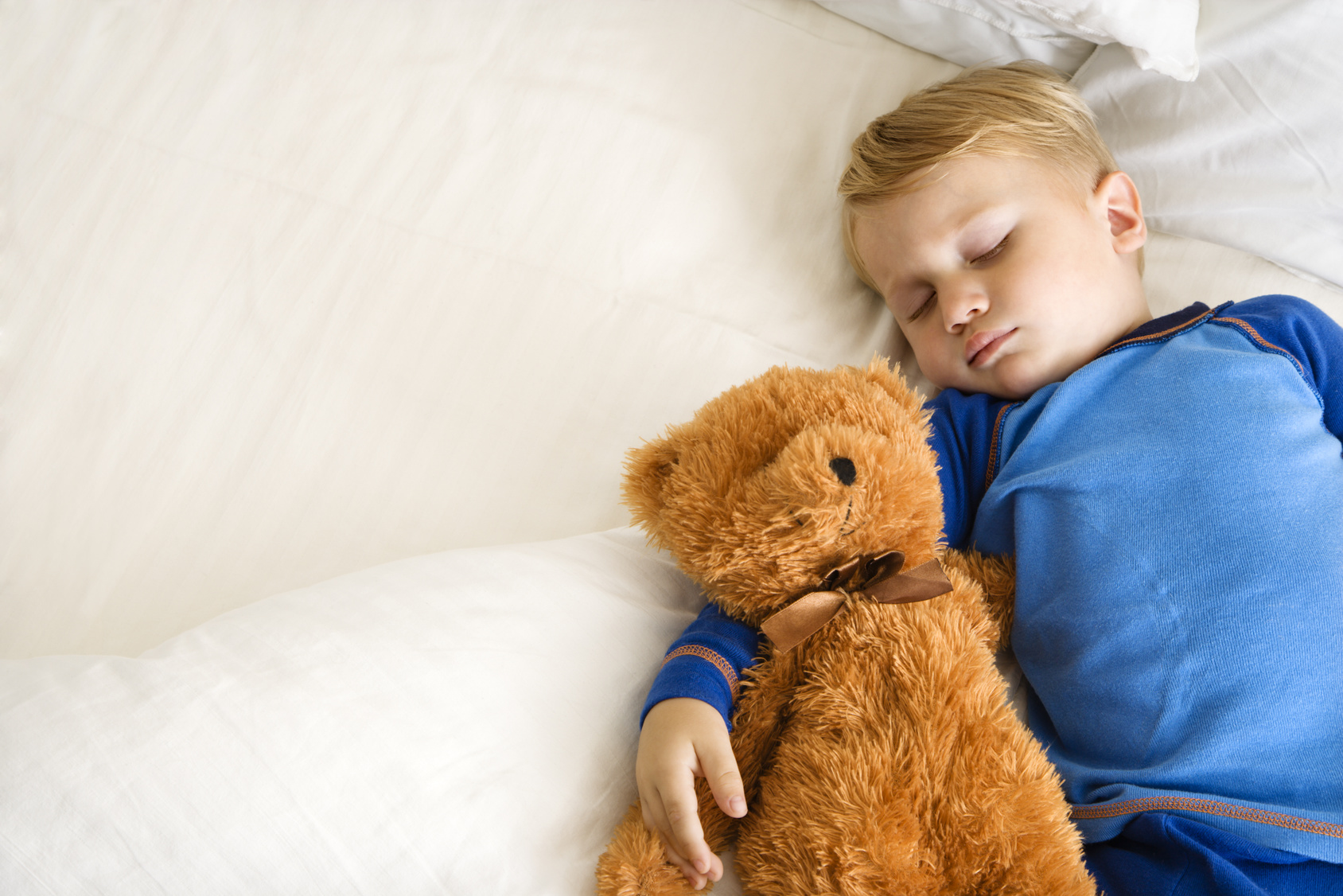 A lot of parents get anxious about sleep when it’s time to start daycare. After, napping at daycare is not the same as napping at home. It’s a big change, but you can help make the transition easier for your child by following these simple steps:
On-The-Go Naps: Making them Work Until They Don’t

If you’re like many new parents, you’re trying to navigate changing your lifestyle with a baby. You still want to get to the gym, have coffee dates and dine out with friends. The good news is- you can still do all of those things for quite a while! With on-the-go naps, you get to enjoy a social life and your baby gets the sleep they need.
Read moreA Lovey for Your Baby
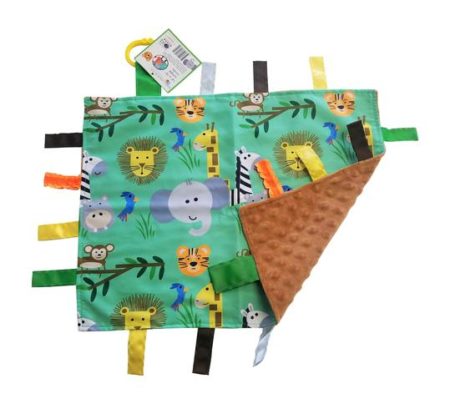
By the time babies reach the age of one, they will often sleep better if they’ve developed an attachment to a lovey. Just about anything, of any size or shape, can be a lovey, but most kids are attracted to something that’s soft and cuddly. Babies love to grab, rub, smell, chew and suck on soft things. Read more
Common Baby Sleep Mistakes
 While there is no “one-size-fits-all” approach to sleep training, there are certainly habits that we know can sabotage parents’ best efforts in getting their baby to sleep through the night. Nix these common mistakes, and you’ll help ensure your baby develops a healthy sleep routine. Read more
Daylight Saving Time with Kids

Just about the time when your kids have the “perfect” sleep schedule, daylight saving time comes or goes and that changes everything. It’s that time of year again! The end of daylight saving time causes kids to wake earlier than usual and generally throws off naps and bedtime schedules. Whether you have an infant, toddler or young child, your kids’ sleep schedules are tied to their internal clocks and when they’re used to going to sleep. They’re not necessarily tied to what time the clock says it is. As you look forward to Halloween, it’s time to think about your preparations for “falling back” again.
What Is Daylight Saving Time
When we “Fall Back,” we’ll move our clocks back one hour, reverting to standard time. We’ll gain back that hour we lost in March when we switched to daylight saving time. As our days get shorter, it gets darker earlier in the afternoon.
Adjusting For Daylight Saving Time
We recommend that you get your kids adjusted to the time change by Saturday so that you have one extra day of “wiggle room” before the kids head back to school or daycare or you head back to work on Monday.
Preparing your child for the time change is not as hard as it seems. When you shift your child’s schedule gradually, as opposed to a one hour adjustment all at once, you can minimize exhaustion and frustration. Begin with bedtime on the Sunday before. Move your child’s bedtime by 15-minute later increments every other night so that by the clock change, you’ve worked your way to the new time. Make sure that you shift wake times, meal times and nap times accordingly. A slow and steady adjustment will be easier for you and for your child.
Making Sure The Switch Sticks
All of this is quite simple if your child has a solid foundation for good sleep habits. A few quick reminders for things that are really important no matter what time of year it is.
- A super dark and cool bedroom is the best in environment for sleep.
- A bedtime routine of 20-30 minutes and nap routine of 10-15 minutes helps your child transition from awake time to sleep time.
- When the sun rises earlier, resist the temptation to start your kids’ day before 6 a.m.
If you keep these things in mind and start a week prior to the actual time change, you’ll be ready to go when the clocks change!
How Swaddling Helps You Get More Sleep

About Swaddling
Swaddling dates back thousands of years. When the American Academy of Pediatrics recommended babies sleep on their back in the early 1990’s, swaddling became standard practice. Swaddling helps calm fussy babies and helps all babies sleep soundly and just a bit longer. Swaddling mimics the womb-like environment that your baby experienced for nine months. Swaddling is one of the most soothing things you can do for your baby during the newborn period- those first three months of life. Read more
Travel Sleep Tips for Babies & Toddlers
 Are you looking forward to vacation but worried that your great sleeper will regress while you’re away? Here are a few travel sleep tips to be mindful of, wherever you are headed: Read more